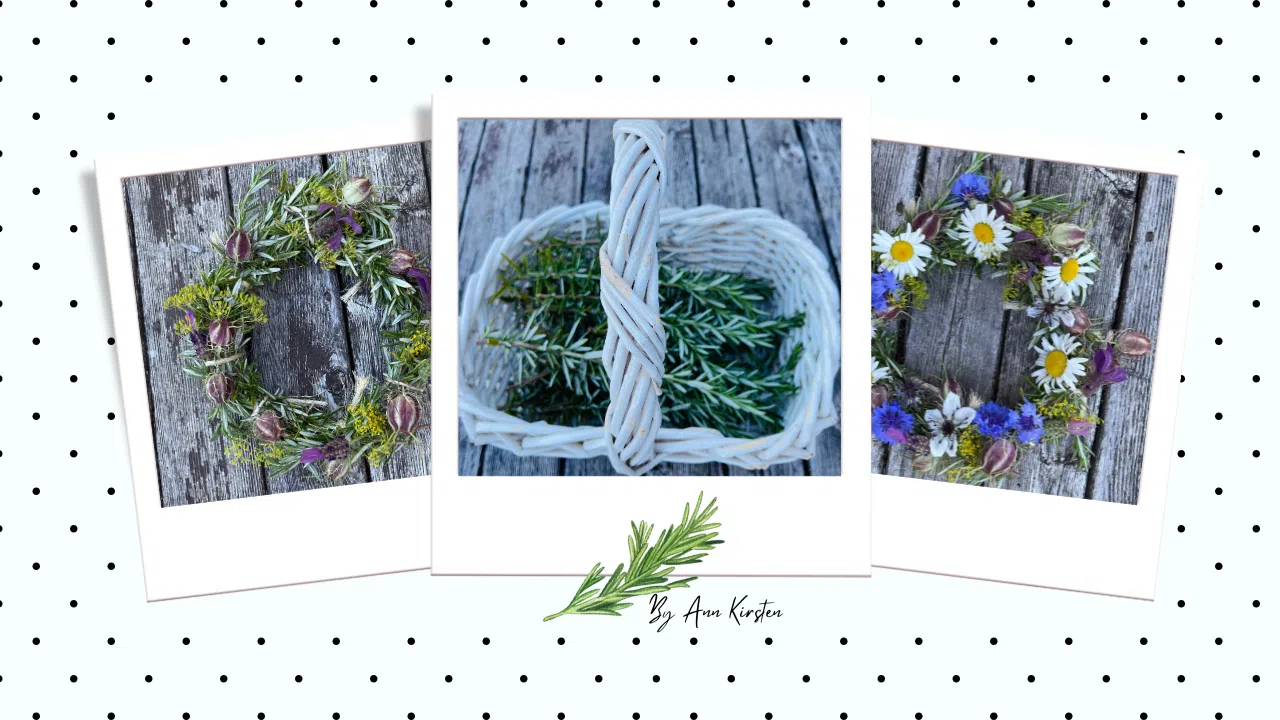
Wreaths are said to symbolize the eternity of God (circles have no beginning and no end).
In ancient societies, wreaths were also emblems of honor, triumph, and celebration. They were made of flowers, leaves, branches, or metal and placed on doors, walls or even heads.
Wreaths have also been connected with intellectuals. Philosophers, instructors, and students were often awarded a wreath as a symbol of their intellectual endeavors.
In ancient Israel, wreaths were used to ornament holy things such as the ark of the covenant and temple pillars, as well as regal objects such as crowns and scepters. Wreaths were also used to commemorate events such as Sukkot (the Feast of Tabernacles), when people carried branches and built booths.
A wreath or crown of thorns is viewed as an emblem of Christ’s triumph over sin and death.
”They twisted a wreath of thorny twigs and put it on His head, and they put a sceptre of cane in His right hand, and kneeling to Him they shouted in mockery, “Long live the King of the Jews!” Matthew 27:29
Isaiah 28:1 reads, “Woe to the crown of pride, to the drunkards of Ephraim, whose glorious beauty is a fading flower, which are on the head of the fat valleys of them that are overcome with wine!” This verse is a pronouncement of woe, sorrow or grief. The leaders of Ephraim were depicted as being proud drunkards. Their state is likened to a fading flower. The verse highlights the difference between the outward beauty and prosperity of Samaria and the moral corruption of its leaders.
2 Timothy 4:8 reads, “Henceforth there is laid up for me the crown of righteousness, which the Lord, the righteous judge, will award to me on that Day, and not only to me but also to all who have loved his appearing.” What a beautiful crown or wreath that will be!
Or, 1 Corinthians 9:25 says: “Everyone who competes in the games goes into strict training. They do it to get a crown that will not last, but we do it to get a crown that will last forever.”
The term “wreath” occurs in many Bible translations, although its meaning varies depending on the context and the original Hebrew or Greek word. In Exodus 37:2 and 37:11, for example, the term “wreath” translates from the Hebrew word “avot,” which means “rope” or “cord,” and refers to the gold molding that encircles the ark of the Covenant.
The term “wreath” in 1 Kings 7:17 translates from the Hebrew word “shevachah”, which means “network” or “lattice,” and refers to the ornate decoration on top of the pillars of Solomon’s temple.
The word “wreath” in 1 Corinthians 9:25 translates to the Greek word “stephanos”, which means “crown” or “garland,” and alludes to the award given to the champions of athletic events in ancient Greece.
Wreaths were a big décor item when I was raising kids. They were everywhere. There were DIY books on how to make them and wreath supplies seemed to be in every store. They were a beautiful way to celebrate each season and holiday.
Back then, I tried (along with most other crafters) to make my own. They looked so easy to make and yet mine were always kind of a mess.
There was the twig wreath that I spray painted green. I wanted a calm forest green. Instead I ended up with a green that was so bright it practically glowed in the dark. Then there was the wreath I just glued flowers on. Simple, right? It ended up with so much hot glue dripping off it, it looked like a spider had moved in. Next, I tried wiring things on a wreath. The “things” refused to lay right and kept twisting onto the back of the wreath. I finally just gave up.
But wreaths never really went out of style and they seem to be making a resurgence right now. I notice them in homes and on doors more than ever. So, when I saw a new method for making wreaths that promised to be easy, I had to try again. I am happy to report that it was indeed easy and I produced results that were actually pretty.
Here’s what you’ll need:
- Branches or herb cuttings
- Twine, fishing line or ribbon
- Flowers, dried or faux
- A bowl with straight sides
- Scissors
Instructions:
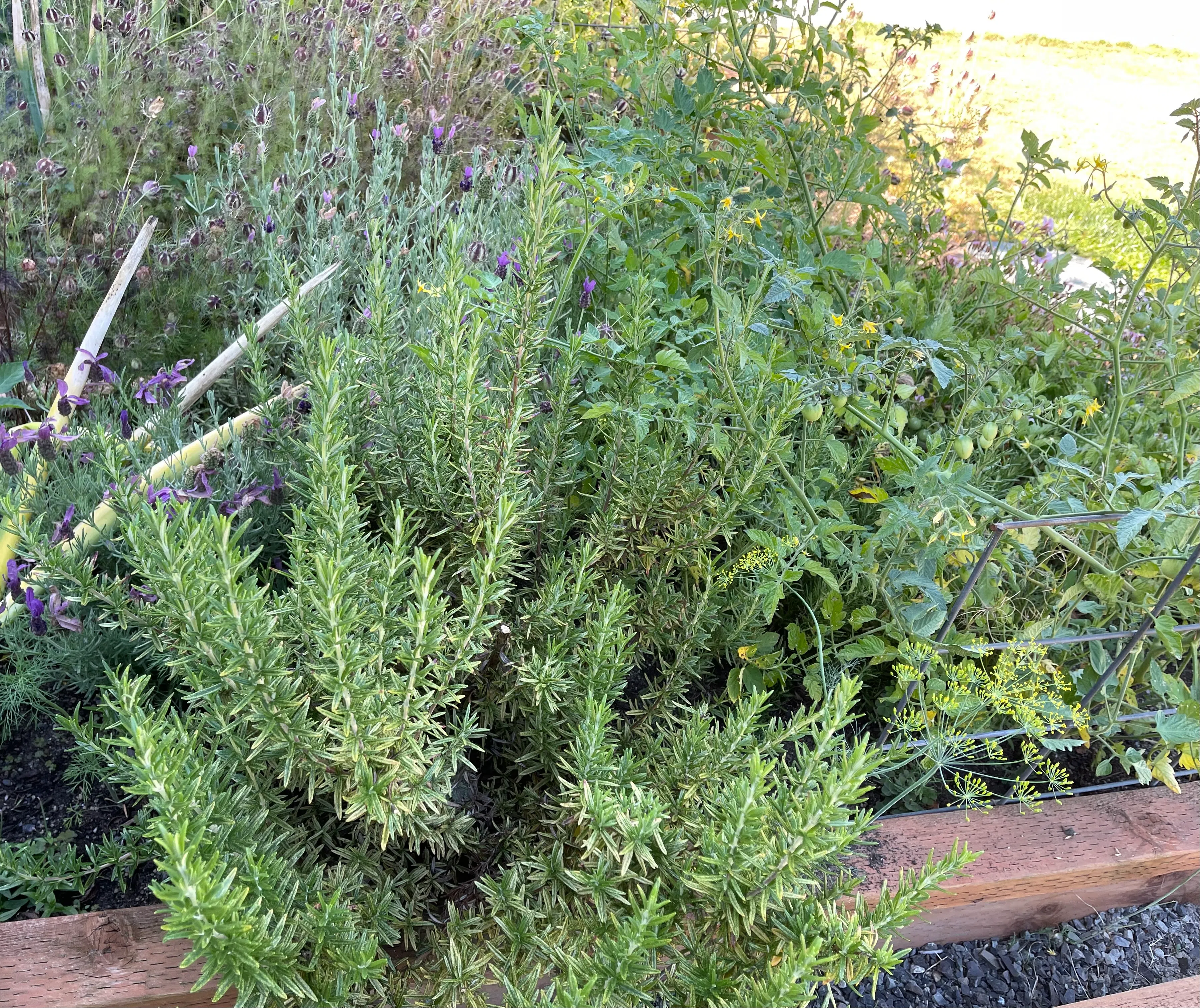
The rosemary in my garden was overgrown so that’s what I chose to use.
PC: Ann Kirsten
You could also use any branches that are pliable.
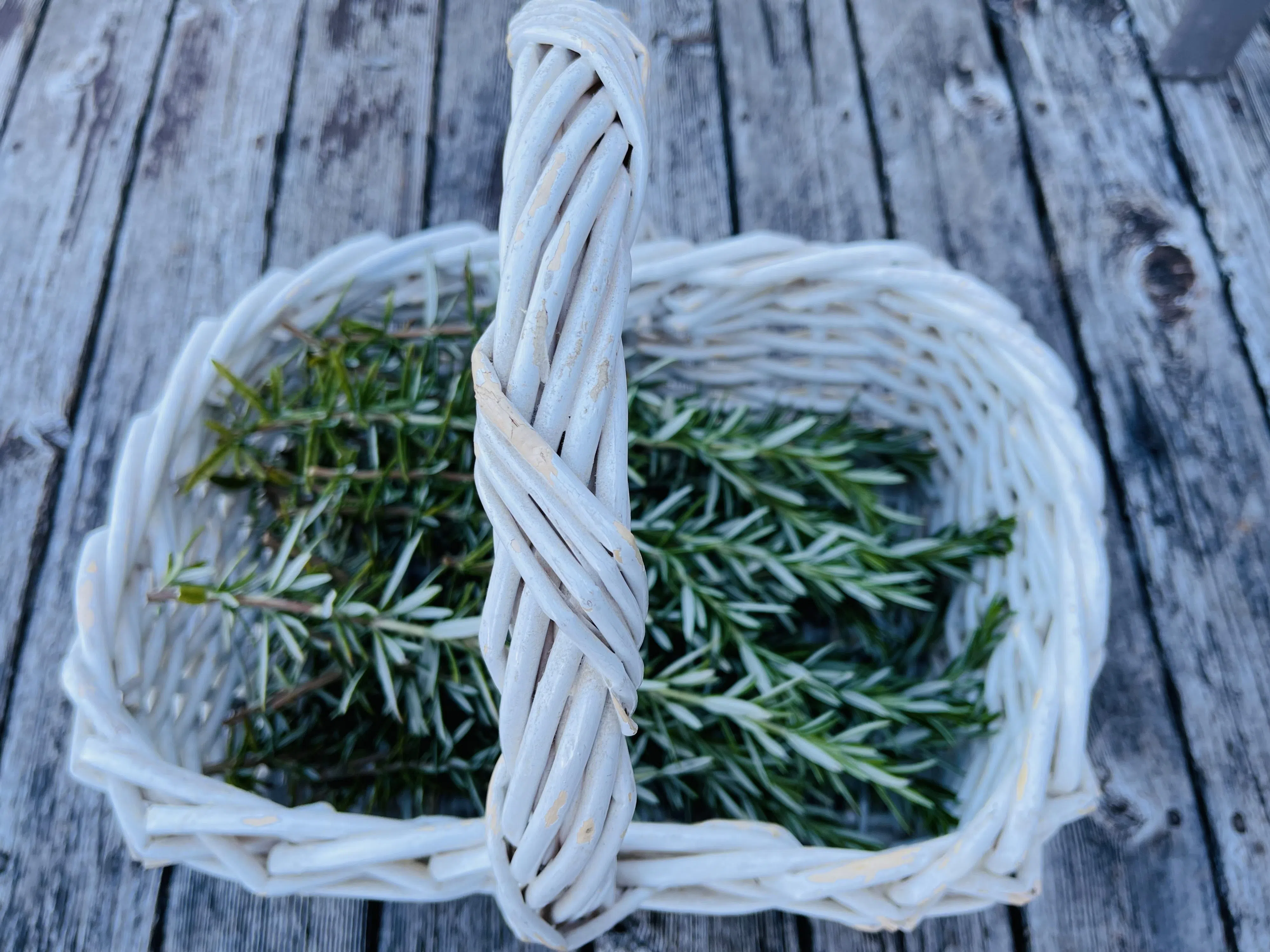
Take a walk in your yard and think creatively. Cut whatever you think will make an interesting wreath.
PC: Ann Kirsten
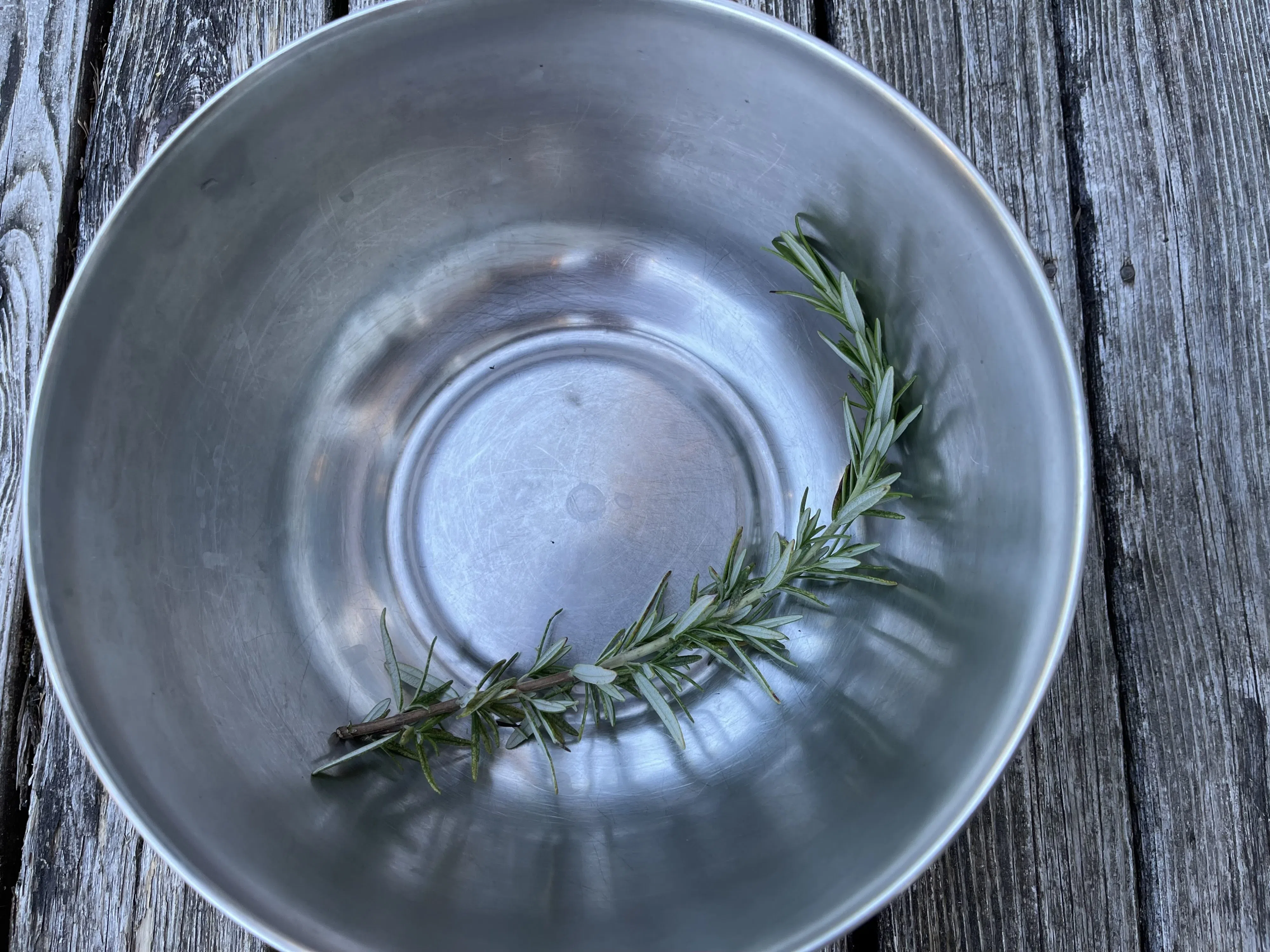
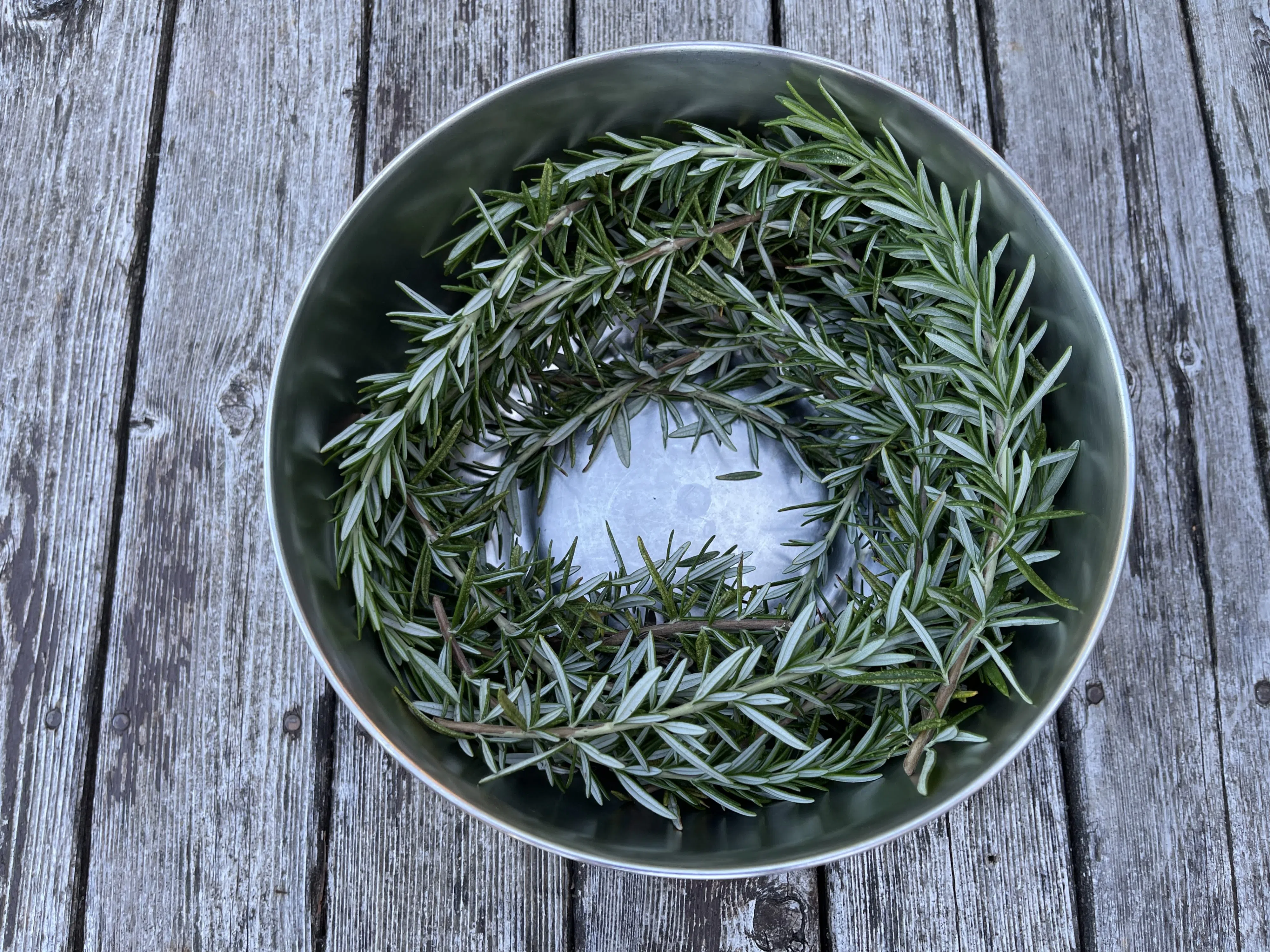
Take a container with straight sides (a dollar store storage container works great for this) and simply begin placing branches into the bowl. They will naturally form in a circular shape. Don’t get too caught up on these being perfect right now.
PC: Ann Kirsten
Keep building branches up, staggering the cut ends, until you have enough to make a wreath.
PC: Ann Kirsten
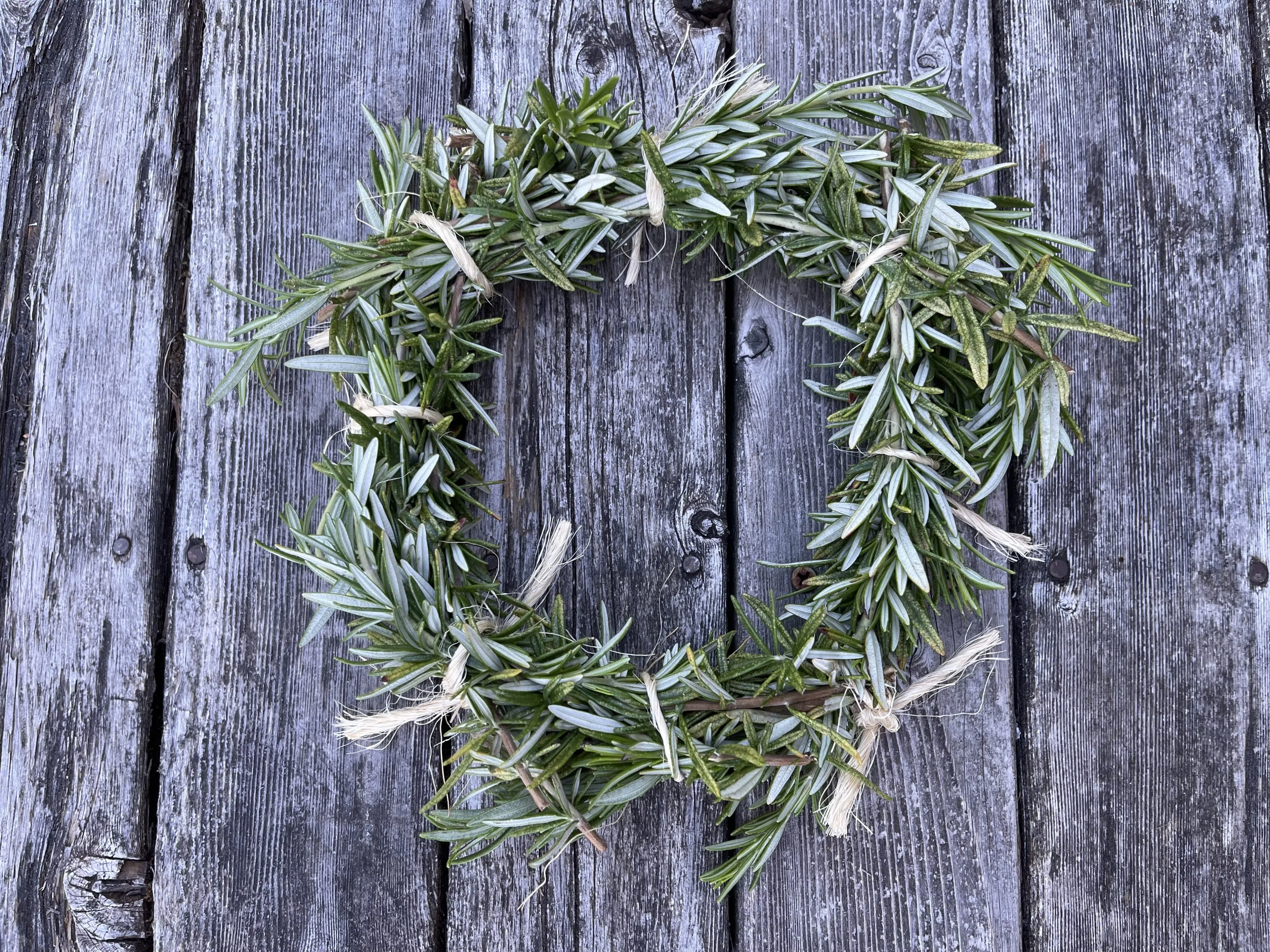
I used twine for this next part because I wanted my wreath to be rustic, but you could use fishing line if you want yours to blend in. Cut about eight pieces of string and have them ready. They just need to be long enough to tie around your boughs.
Keeping your branches in the container, reach under and tie each string around the branches. You can do this evenly, or as needed for the wreath to hold its shape. Once you’re done, simply lift your wreath out of the bowl.
PC: Ann Kirsten
You can flip your wreath upside down and all the knots will be hidden from view.
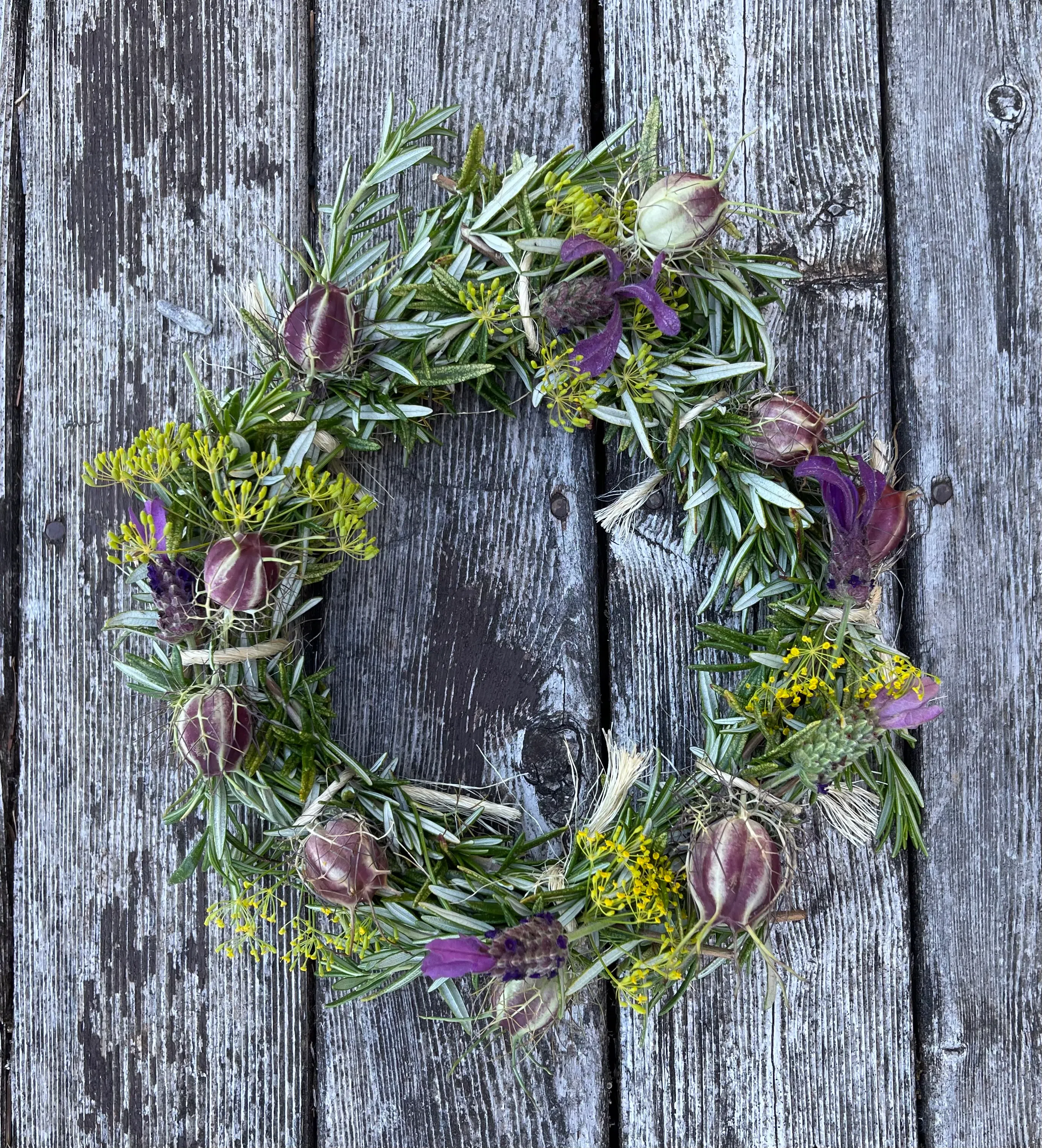
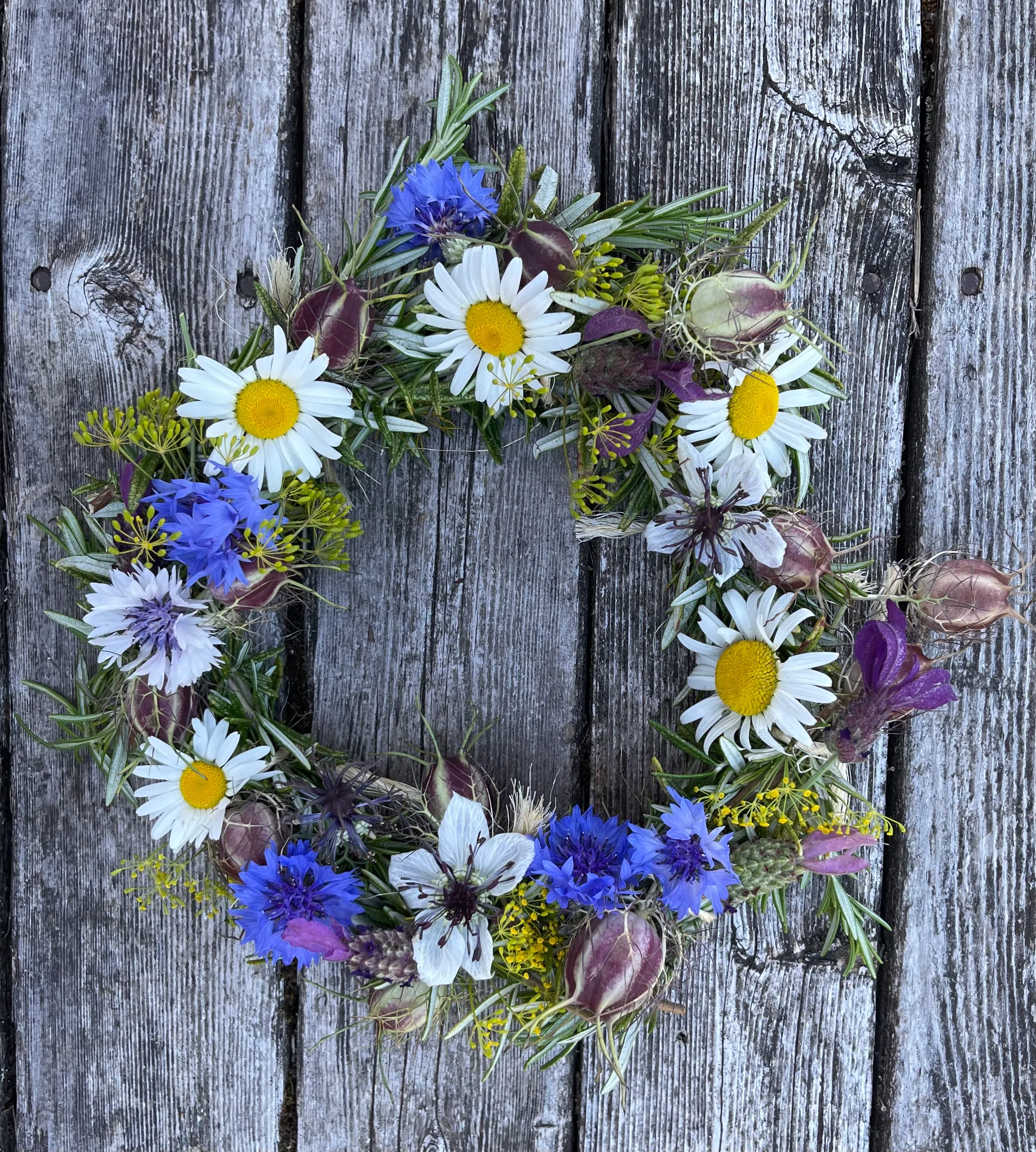
Then, add flowers by simply tucking them under your twine or fishing line. No hot glue or wire needed!
Use a few additions for a simple wreath:
PC: Ann Kirsten
Or go crazy and add a lot of flowers:
PC: Ann Kirsten
Voila! A wreath! I will be using this method from now on.
Wouldn’t these be pretty as a centerpiece, a flameless candle ring, or around a bowl of fruit?
As you build your wreath, keep these words in mind:
“Be faithful, even to the point of death, and I will give you the crown of life.” Revelation 2:10
PIN THIS!
 Read more of Ann’s contributions to AllMomDoes here.









Comments