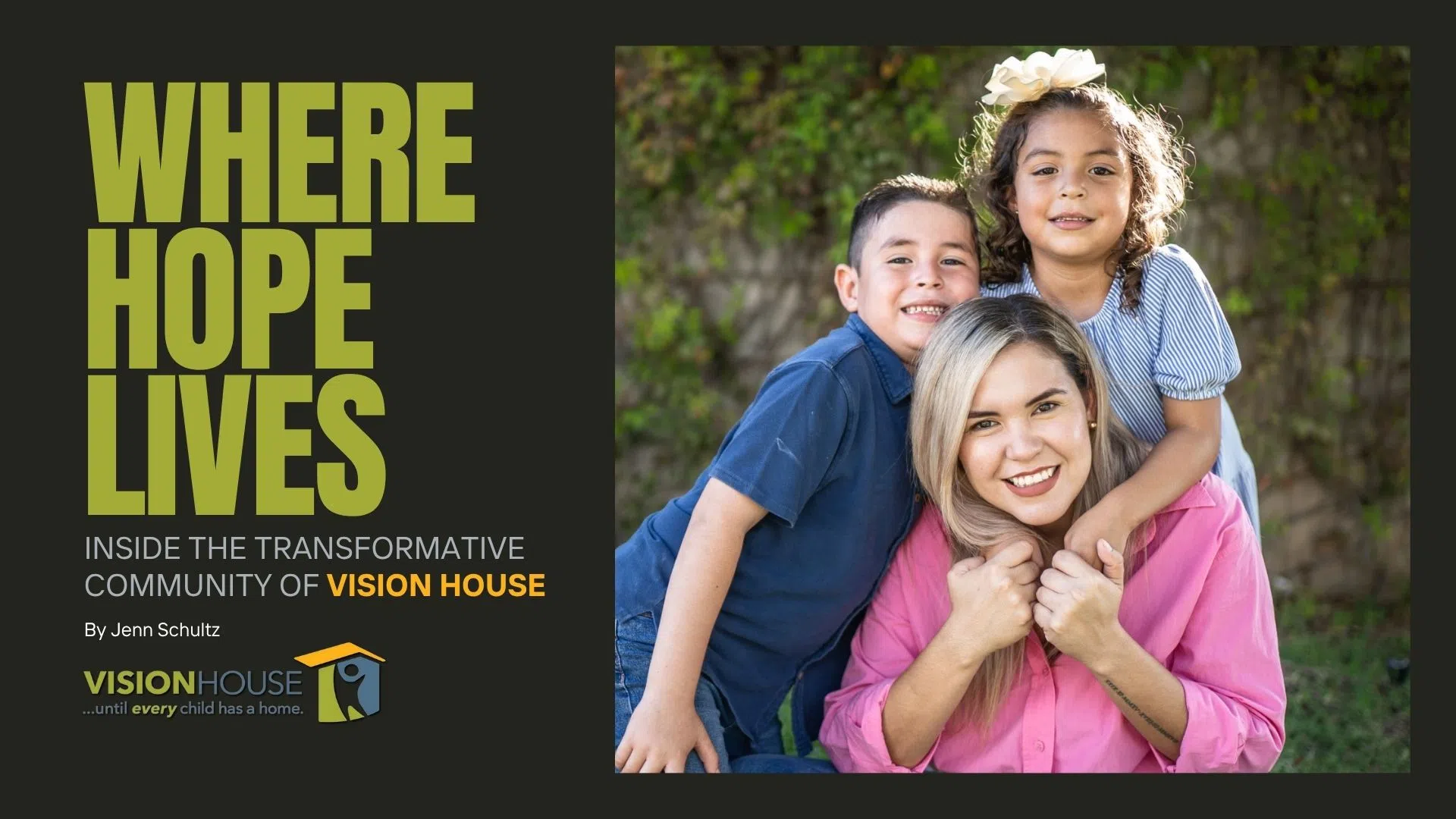
You wouldn’t guess it by the modest exterior of the building, but inside apartment complexes in Renton and Shoreline, miracles are happening.
Neighbors are cooking dinner for each other, victories and celebrations are occurring, kids are laughing and playing together, adults are uncovering new depths of connection, and a community is growing.
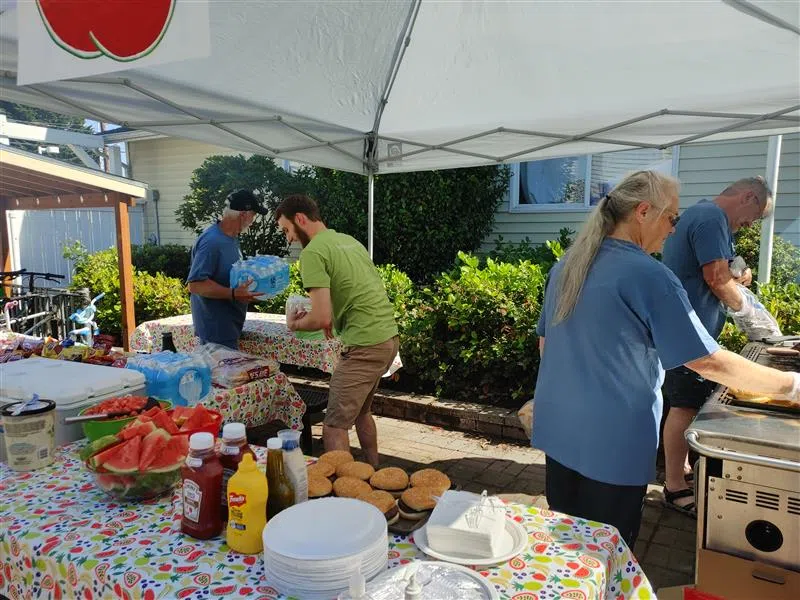
Vision House Volunteers Prepare to Host Families
Some might argue about the consecration of such everyday occurrences, but in a country where loneliness was declared a national epidemic and major health risk, and in an area known for its famous “freeze”, these moments are no small matter.
There’s another level to the miracle, a common thread that goes beyond proximity: the neighbors at Vision House are making the courageous transition out of homelessness, and all the members of the community, residents and staff alike, are working together for fresh starts and stability.
Bringing people out of isolation is one of the most important things we do.
As the Family Programming Director at Vision House, Stacy Cleveland oversees the development of community within their transitional housing program for families. She manages staff, sets up events for residents and alumni, and works with individuals and families in the program.
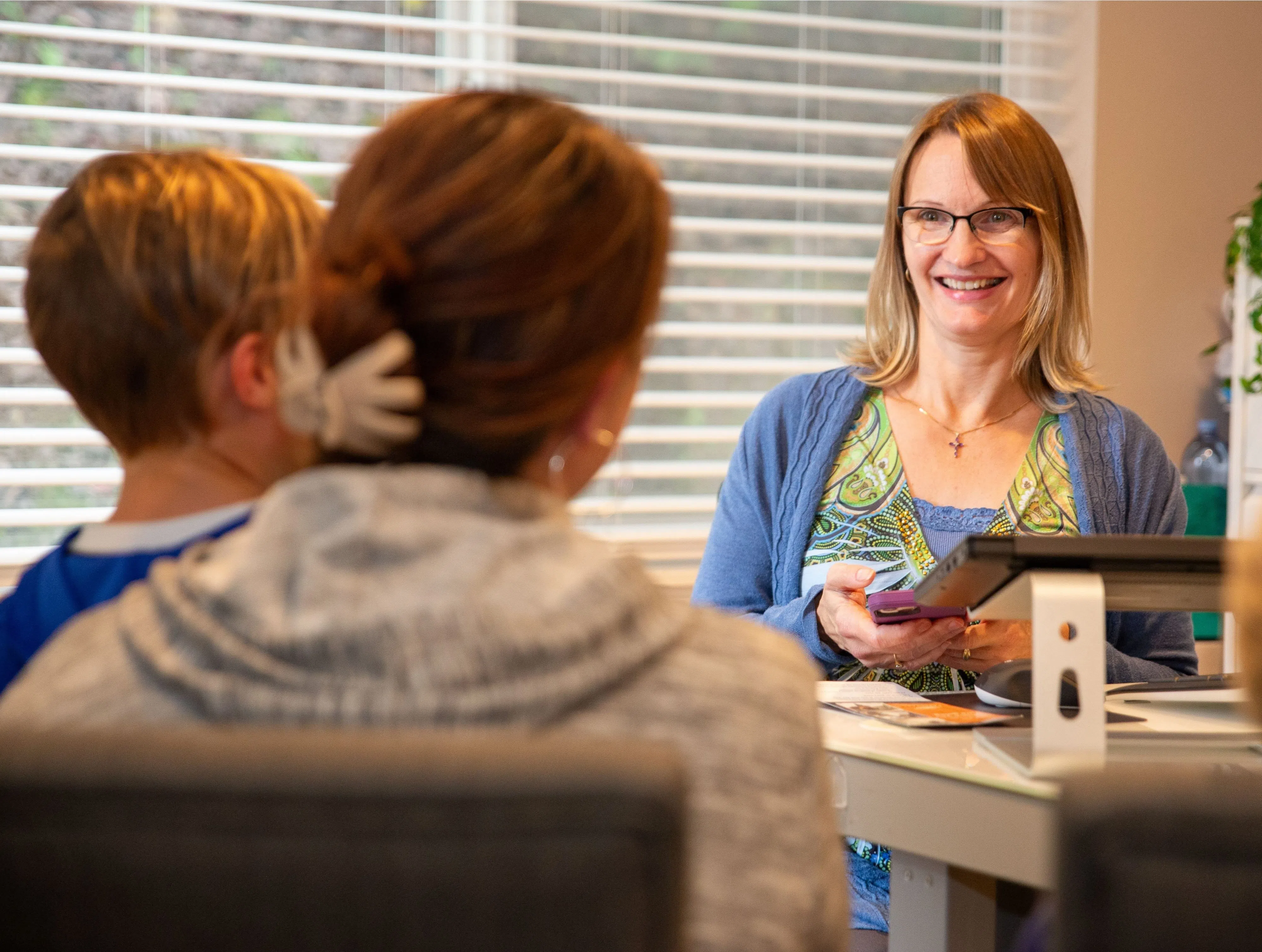
Stacy Cleveland, Family Programs Director at Vision House
Each family has an individualized, intentional plan to support movement towards independence, permanent housing, stable employment, emotional health, healthcare, and family bonding. Whatever the circumstances that led them to Vision House, each family is treated with compassion and respect with a goal of healing and starting again from a stable place. All this is guided by the faith behind the organization and its staff. The spirit here is a callback to Jesus’s words in John 10:10: “The thief comes only to steal and kill and destroy; I have come that they may have life and have it to the full.”
Watching the families heal and find their own strengths throughout their time at Vision House is one of the biggest joys for Stacy. She adds that although teams of people join forces to offer assistance (including social workers, youth and family advocates, and counselors), much life-giving work happens when families offer affirmation and support to one another.
When going through homelessness, Stacy says “you are trying to get through the day and survive. You don’t have time for social connections. Hiding homelessness is isolating too.” Many families keep their challenges hidden and withhold information to protect their children and stay together. Which is why one of the most difficult and necessary goals of the program is to develop trust with each family, inviting them to a safe place to share their stories and get help.
She speaks from a place of understanding: In her twenties, as a young mom with two kids and a baby on the way, she was without a home, and found stability, recovery, and church at the Seattle’s Union Gospel Mission. She calls it a time of healing and coming back to the Lord. “Jesus brought me to my knees, which is where I needed to be anyways. I just had to take the harder path to get there.” Her path led to volunteering with the Seattle’s Union Gospel Mission while in transitional housing, and eventually a career through multiple similar organizations.
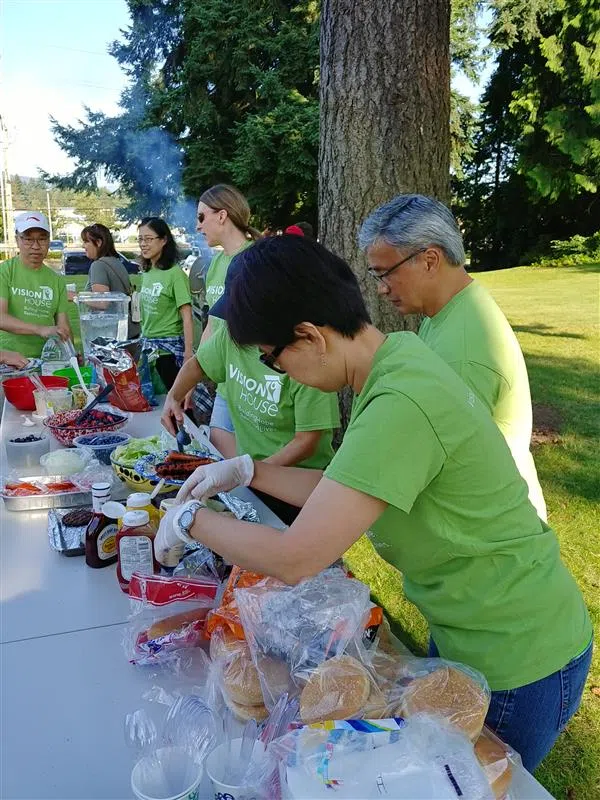
Vision House Volunteers Prepare to Host Families
Stacy’s heart for the healing of the families in her program is evident, telling story after story of the victories she’s seen. It’s challenging work as well, sitting with those who are working through unbearable trauma, but even in the heaviness, “God does the heavy lifting”, citing times when alumni who have “graduated” the program have called with gratitude and their own victory stories. She also feels like what Vision House offers families is “hope when it feels like hope has run out.”
We need that hope more and more these days. It’s not news that there is a growing housing crisis in the Seattle area–although the facts are truly startling: in King County, homelessness increased by 46% from 2019 to 2024. In fact, last year about 16,000 people experienced homelessness every night (according to the King County Regional Homelessness Authority).
Caring for our neighbors means meeting basic needs, which requires looking at the needs. A full-time minimum wage job doesn’t cover the cost of the average 2-bedroom apartment in Seattle ($2671 per month), not to mention other basic needs like food, healthcare, transportation, childcare, and utilities. Many families have children with complex medical needs, and must factor in doctor’s appointments, treatment, and travel. And with federal funding cuts to lifeline care and assistance, the needs this year are standing out even more.
As great as the need is, helping those who are without homes starts on a deeper level: addressing our own misconceptions, assumptions, and isolation. Stacy notes that what you see on the surface is not the whole story.
When you see firsthand the complexities any single family is facing, you realize there isn’t just a one-size-fits-all answer for everyone. But part of the answer for everyone has to be relationship. That’s where we experience healing.
What can you do? Pray, Stacy says–for the families going through challenges and hurdles; for their health and safety; and for the staff on the front lines of this work. Financial donations are greatly appreciated, and can be applied to best fit ever-changing needs for different families (with considerations in mind like food allergies and cultural traditions).
All the while, the ongoing, unseen work is critical too. Breaking down stigma, misconception, and assumptions, as well as reaching out, listening, being present with those in need. This is the mission work Jesus modeled for us in the Gospels, and it’s the mantle that Vision House takes up in their work.
Stacy calls it the ministry of presence: seeking out opportunities to connect in a deeper way. May we all walk with Jesus and live out the ministry of presence in our communities: seeing beyond the surface, asking deeper questions, hearing stories, and building trust to become the kinds of neighbors Jesus calls us to be.
PIN THIS
 Read more of Jenn’s contributions to AllMomDoes here.





Comments