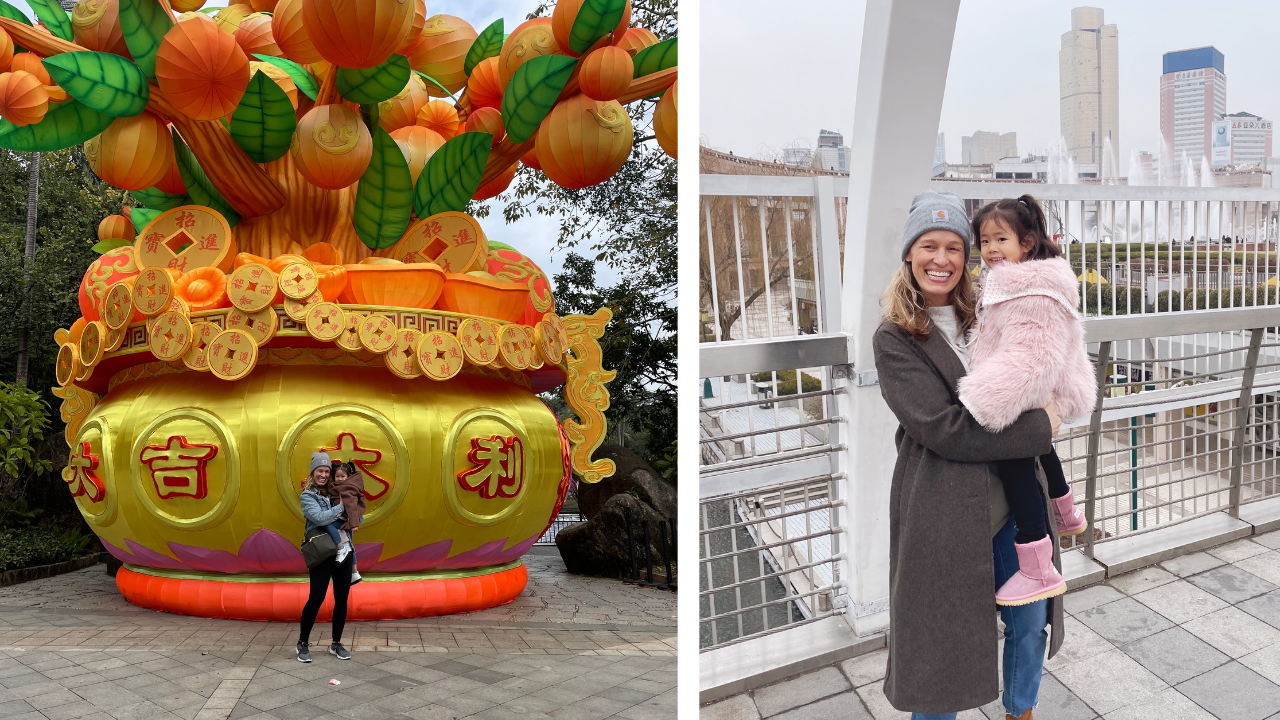
November is National Adoption Month, a time to celebrate families formed through adoption, bring awareness to the children still waiting for permanent families, and encourage others to consider how they might be part of the adoption community.
Adoption is especially close to my heart because it’s how my daughter, Penny, became my daughter. But before I was packing suitcases for China, decorating a bedroom, or imagining what life as a mom would look like, I was a woman sitting at a computer trying to figure out where in the world to begin.
I started the adoption process in 2018. In 2019, I received the news that I had been matched with a little girl in China. I thought the hardest part of the journey—the waiting to be matched—was finally behind me. Little did I know that the world was about to change, and what I expected to be the next chapter would turn into four more years of waiting as COVID brought international adoption travel to a standstill. Finally, in 2024, I boarded a plane and brought my daughter home.
I still remember receiving that match email. I was sitting at work, recovering from my fourth root canal (not exactly the glamorous setting you might imagine for a life-changing moment), when my social worker sent an email with the words “file match.” I screamed.
There she was. The little girl I had prayed for, waited for, and hoped to meet.
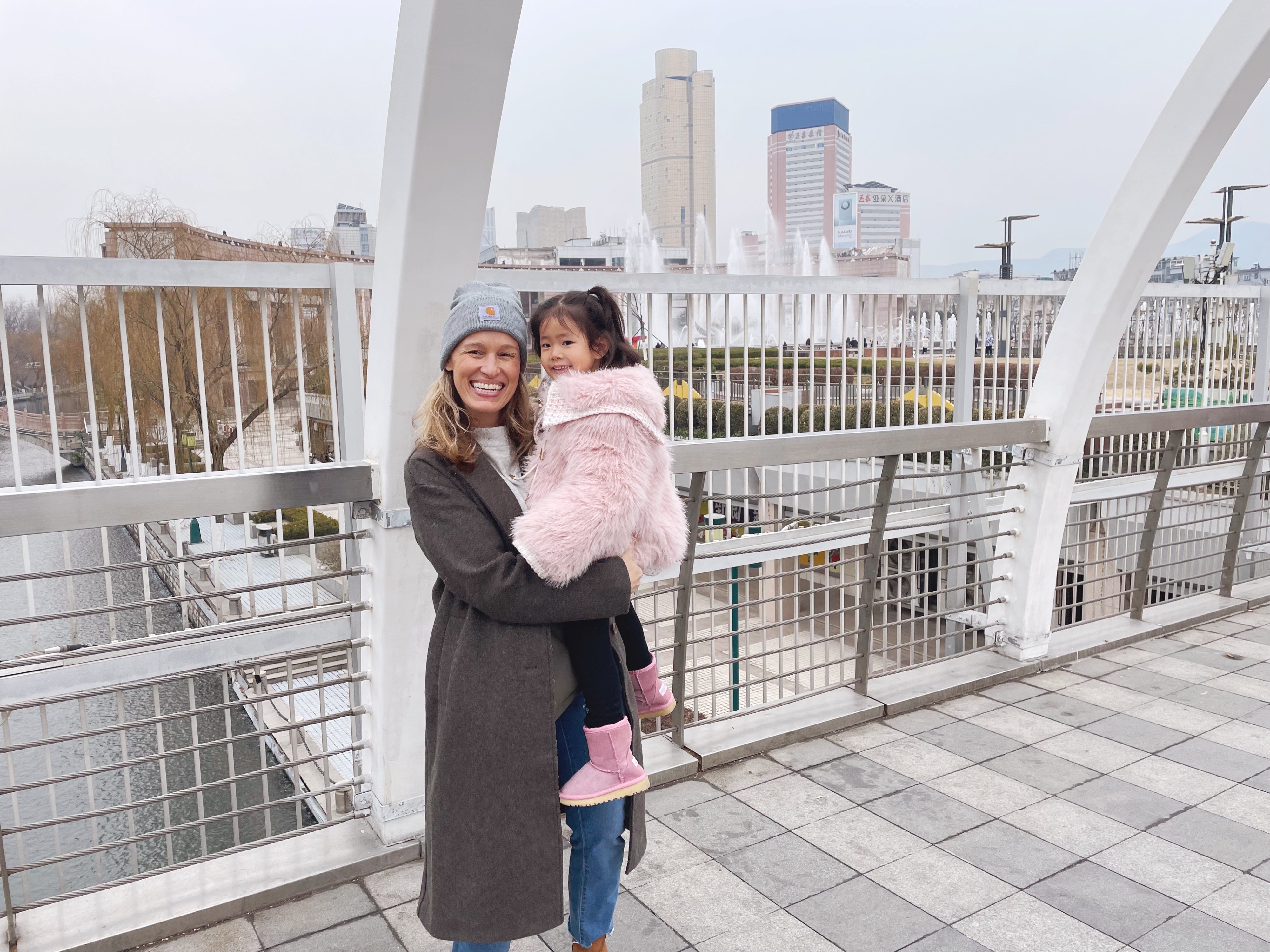
Today, I get to be Penny’s mom. And while I could spend an entire blog post sharing the joys of our adoption story, I also remember how overwhelming those first steps felt. If adoption is something you’ve been thinking about, I want to share a few places to start, resources to explore, and encouragement for the journey ahead.
Because sometimes God places something on our hearts long before we understand what the path will look like. Proverbs 3:5–6 reminds us to trust in the Lord and acknowledge Him in all our ways. That doesn’t mean we have to know every step before taking the first one.
First, Learn About the Different Paths to Adoption
One of the first things you’ll discover is that adoption isn’t a single process. There are several ways to grow your family, and each comes with its own requirements, timelines, costs, and considerations.
A few common paths include:
- Domestic infant adoption: Adopting a newborn or infant within the United States, typically through a licensed agency or adoption attorney.
- Foster care adoption: Providing a permanent home for a child or sibling group in the foster care system whose case plan allows for adoption. Some families begin as foster parents with the hope of adopting, while others pursue adoption of children already legally available for adoption.
- International adoption: Adopting a child from another country through an accredited adoption service provider that works within that country’s specific requirements.
Start by exploring which path interests you and learning about what each involves. A great place to begin is AdoptUSKids, which offers information about foster care and adoption, or the U.S. Department of State if you’re interested in international adoption.
You don’t have to make a decision immediately. Give yourself permission to research, ask questions, and learn.
Finding the Right Adoption Agency
Once you’ve identified the type of adoption you’d like to pursue, the next step is finding an agency that specializes in that program.
And here’s something I would encourage you to do: Don’t just contact the first agency you find. Research several. Adoption agencies can vary significantly in their programs, experience, timelines, costs, services, and approach.
Look for an agency that is properly licensed or accredited for the type of adoption you’re pursuing and has experience with the country, state, or program that interests you.
Schedule informational calls or attend orientation meetings. Ask about their process, average timelines, fees, financial policies, and what support they provide before, during, and after placement. Ask to speak with families who have completed an adoption through their agency.
Most importantly, find an agency whose philosophy and values align with yours and whose approach prioritizes the needs and well-being of children.
The agency you choose will be one of your biggest resources throughout the journey. You want people who will answer your questions, prepare you for what’s ahead, and walk alongside you when things don’t go according to plan.

What Does the Adoption Process Actually Look Like?
Although every adoption is different, there are some common steps you can expect:
- Research and choose your adoption path. Learn about domestic, foster care, and international adoption and determine which programs may be a good fit.
- Select an agency or adoption professional. Contact several organizations, compare programs, and choose one that meets your needs and is qualified to facilitate your adoption.
- Complete an application. Your agency will provide the paperwork and explain the requirements for moving forward.
- Complete your home study. This typically includes background checks, references, interviews, documentation, and a home visit. It is designed to prepare and assess your family for adoption.
- Complete required education and training. Depending on the program, you’ll participate in classes and preparation specific to the needs of children who are adopted.
- Begin the matching or placement process. This may look different depending on the type of adoption. You’ll work with your agency as you move toward a placement that is in the child’s best interest.
- Prepare for placement and finalize the adoption. Once a child joins your family, there are additional legal steps, visits, and support requirements before finalization.
One thing I learned along the way is that the process requires patience. There will be paperwork you didn’t know existed, acronyms you’ll eventually learn to use in everyday conversation, and waiting periods that can test just about anyone’s patience. (I became very familiar with waiting!)
But remember, the process isn’t simply about getting to the day a child comes home. It’s about preparing yourself to become the parent that child needs.
What About the Cost of Adoption?
Let’s talk about something that often stops people before they even begin: finances.
Adoption can be expensive, particularly domestic infant and international adoption. But I want to encourage you not to assume that the initial cost means adoption is financially out of reach.
There are several ways families help fund their adoptions, including:
- Fundraising: Families host garage sales, online fundraisers, benefit dinners, auctions, and other community events. Friends, family, churches, and even local businesses may be eager to help.
- Adoption grants and scholarships: Organizations such as Help Us Adopt and Show Hope offer financial assistance to qualifying families.
- Employer adoption benefits: Check with your employer to see whether adoption assistance or reimbursement is available.
- Church and community support: Many churches have benevolence funds, adoption ministries, or members who want to help families pursuing adoption.
- Adoption loans and tax benefits: Some families explore adoption-specific loans, interest-free loans, and the federal adoption tax credit. A tax professional can help you understand current eligibility and benefits.
The National Council For Adoption has a helpful collection of financial resources to explore.
You may be surprised by how many people want to come alongside a family pursuing adoption. Don’t be afraid to ask for help or explore the options available to you. Sometimes the financial piece that initially feels like the biggest obstacle becomes something you can navigate with a little creativity, planning, and a community willing to help.
Find Your Adoption Community
If there’s one thing I wish I could emphasize enough, it’s this: The adoption community is AMAZING.
Seriously. Some of the most encouraging, helpful, generous people I have met are part of this community. Families who have walked the road before you are often more than willing to share resources, answer questions, recommend agencies, talk through the hard days, and celebrate the milestones.
Find local adoption support groups, connect with families online, attend adoption conferences, and ask your agency about parent networks. Organizations such as the North American Council on Adoptable Children offer resources and support for adoptive families.
There is something incredibly comforting about talking to someone who understands the terminology, the paperwork, the waiting, and the emotions that come with adoption. You don’t have to explain every detail because they’ve been there, too.
And just as importantly, remember that adoption is a lifelong journey. Connecting with adult adoptees, birth parents, and other members of the adoption community can help you grow in your understanding of the experiences and perspectives that deserve to be honored.

You Don’t Have to Adopt to Make a Difference
Perhaps adoption isn’t something you feel called to pursue. That doesn’t mean you don’t have a place in this story.
You can support a family by bringing dinner during a busy season, contributing to an adoption fundraiser, helping with childcare, or simply being someone who listens. You can volunteer with organizations serving children in foster care, donate supplies, mentor youth, or support birth families.
You can also pray. Pray for children waiting for families, for parents navigating difficult decisions, for foster families, and for adoptive families learning how to navigate a new season together.
First Thessalonians 5:11 encourages us to “encourage one another and build each other up” (NIV). I think that’s such a beautiful picture of what the adoption community can look like. We aren’t all called to take the same path, but we can all be a source of encouragement, generosity, and support to those who are.
There’s Room for Everyone in the Story
When I look at Penny today, I am reminded just how much can change when we take that first step of faith. I think about the little girl I was matched with in 2019, the four years of unexpected waiting, and the day in 2024 when I finally got to hold my daughter. I think about all the milestones I missed and all the beautiful, ordinary moments we get to share now.
If I could go back and talk to the version of myself who was just beginning the adoption process, I’d tell her that she doesn’t need to have every answer. I’d tell her to ask questions, find her people, take one step at a time, and trust that even when the timeline looks different than expected, there is still so much possibility ahead.
Maybe you’ve been thinking about adoption for years. Maybe November is the first time you’ve seriously considered it. Or perhaps you know that adoption isn’t the path for your family, but you’d love to support someone who is walking it.
Wherever you find yourself, there is an opportunity to make a difference.
You might be the family who opens their home. You might be the friend who helps fund a home study, the church member who organizes a fundraiser, the neighbor who brings dinner, or the person who simply takes time to learn more and share what they’ve learned with someone else.
We don’t all have to play the same role.
And perhaps that’s one of the most beautiful things about community: when we each do what we can, we become part of something much bigger than ourselves.
So this November, I hope you’ll take a moment to learn, encourage, support, and perhaps even take a first step toward something you’ve been praying about. There are children, families, and communities whose lives can be changed by people who are simply willing to show up.
I know mine was. And I will forever be grateful that one day, I took that first step.
PIN THIS!
 Read more of Joanna’s contributions to AllMomDoes here.







Comments